

 Operating Hours 10 am to 5 pm (Monday to Friday)


Choosing a Whole House Water Filter System
 September 23, 2026
Online Water Filters
September 23, 2026
Online Water Filters

Every shower, load of washing and glass from the kitchen tap starts at the same point: your home’s incoming water line. A whole house water filter system treats water before it reaches the rest of the property, giving Australian families a practical way to improve water quality beyond a single drinking-water tap.
For many homes, the immediate difference is better-tasting water and less chlorine smell in the bathroom. For others, the priority is protecting expensive taps, hot-water systems, appliances and plumbing from sediment. The right system depends on what is actually in your water, how much water your household uses and which concerns matter most to you.
What a whole house water filter system does
A whole-house system is installed at the main water entry point, usually near the water meter or where the supply enters the home. Once fitted, filtered water is delivered to kitchen taps, bathrooms, laundry outlets and outdoor connections, depending on the plumbing layout.
Most systems begin with sediment filtration. This stage captures physical particles such as sand, rust, silt and pipe scale that can make water look cloudy or affect the performance of downstream cartridges and appliances. A carbon filtration stage is commonly added to reduce chlorine, unpleasant taste and odour, along with a range of chemicals that may be present in treated mains water.
The benefit is broad coverage. Rather than filtering water at one tap only, you can reduce chlorine exposure during showers and baths, improve water used for cooking and washing, and help protect household fixtures from sediment build-up.
That said, no single filter removes everything. A standard sediment and carbon system may be an excellent choice for town water with chlorine concerns, but it is not automatically designed to address fluoride, dissolved salts, bacteria, viruses or every heavy metal. Those concerns may require specialised media, ultraviolet treatment or a separate reverse osmosis system for drinking water.
Start with your water source, not the biggest system
Choosing filtration by appearance alone can lead to unnecessary cost or inadequate treatment. The most useful starting point is understanding whether your property receives treated mains water, tank water, bore water or a mixed supply.
Treated mains water
Town water is generally disinfected before it reaches your property, but water quality can vary between regions and even neighbourhoods. Chlorine is common, while some Australian water authorities use chloramines, a more stable disinfectant that requires the right catalytic carbon media for effective reduction.
If your water has a noticeable pool-like smell, dries your skin after showering or leaves an unpleasant taste in tea and coffee, a system designed for chlorine or chloramine reduction may be appropriate. Carbon filtration can also improve the overall taste and odour of water throughout the home.
Tank, bore and rural water
Rainwater tanks and bore supplies need a more tailored approach. Sediment loads can be much higher, particularly after storms or when tanks have not been maintained. Microbiological contamination is also a consideration where water is collected from roofs or stored for extended periods.
A twin or triple staged setup may include a washable or replaceable sediment pre-filter, fine filtration and UV disinfection. UV can be highly effective for microbiological treatment when the water is clear enough for the UV light to work properly. It does not remove sediment, chemicals or dissolved minerals, so the filtration stages before it still matter. However UV alsow require regular maintence and uv light replacment, not to mention its degradation over time.
Bore water can present additional challenges, including iron, manganese, hardness, sulphur odour or high total dissolved solids. Water testing is worthwhile before selecting equipment. It can prevent buying a system that improves one issue while leaving the main cause untouched.
The filter stages that matter most
A practical whole-house filtration setup is built around the contaminants you need to reduce, not a headline micron rating alone.
Sediment cartridges are rated in microns, which refers to the size of particles they are designed to capture. A larger micron rating may be suitable for coarse sand and sediment, while a finer cartridge captures smaller particles. Finer is not always better, because very fine filtration can reduce flow and require more frequent cartridge changes when sediment levels are high.
Carbon block and granular activated carbon cartridges are commonly used for chlorine, taste and odour reduction. Where chloramines are present, catalytic carbon is typically the better option. The cartridge’s capacity, flow rating and contact time all influence performance. A filter that is too small for a busy family home may allow water through too quickly or need replacing sooner than expected.
You can select specialty media when testing or local water information identifies a specific concern. These may target heavy metals, scale-forming minerals or other contaminants. Specific filter cartridges, like Aragon Bio 3 Whole House filter cartridges, can remove many of these contaminants. Moreover, they can protect against bacteria, viruses, and other microorganisms.
For drinking water where fluoride, dissolved solids or a wider range of contaminants are a priority, an undersink reverse osmosis unit can complement whole-house filtration. This combination delivers cleaner water throughout the home while providing highly purified water at a dedicated kitchen tap.
Flow rate is where many systems succeed or disappoint
A filtration system should support the way your household uses water. If two showers, a washing machine and a dishwasher run at the same time, a small filter housing may create a noticeable pressure drop. That can turn a good filtration purchase into a daily frustration.
Consider the number of bathrooms, occupants and high-demand appliances before choosing housing size and cartridge capacity. Larger high-flow housings generally hold more media, allow stronger flow and provide longer service intervals, but they require more installation space and can cost more upfront.
Water pressure also needs attention. Excessively high pressure can strain filter housings, fittings and appliances, while very low pressure can affect shower performance and filtration flow. A licensed plumber can assess the installation point and advise whether a pressure-limiting valve, pressure gauge or other fittings are needed.
Installation should be planned for servicing
Whole-house systems are usually best installed by a licensed plumber. The installation needs a suitable location, access to the main supply and enough room below the housings to remove cartridges safely. Outdoor installations may need weather protection, while indoor installations need a sensible plan for draining water during servicing.
A bypass valve is a valuable addition. It allows the water supply to continue while cartridges are being replaced or the system is serviced. Isolation valves before and after the unit also make maintenance simpler and help reduce disruption.
Ask about the condition of existing pipework, particularly in older homes. Sediment released from ageing pipes can shorten cartridge life, and the plumbing layout may affect whether every outlet can realistically be filtered. An experienced installer can identify these details before the system is fitted.
Cartridge replacement protects performance
Filtration is not a fit-and-forget purchase. Cartridges have a finite capacity, and replacement timing depends on water quality, household usage and the type of media inside. Waiting until water tastes or smells bad is not a reliable maintenance plan, because performance can decline before a change is obvious.
Sediment cartridges may need more frequent replacement in areas with visible particles, while carbon cartridges are changed according to their rated capacity and the disinfectant level in the supply. UV systems also require periodic lamp replacement and cleaning, even when the light still appears to be operating.
Keeping a simple service record helps. Note the installation date, cartridge type and next replacement date, and check pressure gauges if fitted. Online Water Filters can assist with genuine replacement cartridges and annual filter-replacement reminders, making it easier to keep a system working as intended.
Is whole-house filtration worth it?
For households that want chlorine reduction at every tap, clearer water for bathing and laundry, and protection from sediment across appliances, a whole-house system can offer strong long-term value. It may also reduce the need for bottled water when paired with a suitable drinking-water filter.
However, it is not always the first purchase to make. Renters, apartment residents and households focused solely on drinking water may be better served by a countertop, tap-mounted or undersink system. If the priority is fluoride reduction or very low TDS drinking water, reverse osmosis at the kitchen sink may deliver a more targeted result for less than treating every litre used in the home.
The best choice is the one that matches your source water, household demand and maintenance commitment. Start with the water you have, choose tested filtration designed for the contaminants you want to reduce, and leave enough room in the plan for the cartridges that will keep protecting your household long after installation day.
Recent Blogs

Choosing a Water Filter for Bacteria Removal
A strange smell, a recent flood, a private bore, or a rainwater tank that has...

Water Filter for Lead Removal That Works
A clear glass of mains water can still carry trace lead if it has picked...

How to Remove Chloramine From Water at Home
Chloramine can leave otherwise clear mains water tasting medicinal, smelling unpleasant and feeling less appealing...

Water Quality Testing for Australian Homes
A glass of tap water can look perfectly clear while carrying the taste of chlorine,...

Best Water Filter for Fluoride in Australia
Fluoride is added to the drinking water supplied in many Australian communities, so choosing the...

Is a Shower Water Filter Worth It in Australia?
That strong pool-like smell after a hot shower is not always just steam. In many...

Is an Instant Chilled Water Dispenser Worth It?
A glass of genuinely cold, great-tasting water should not depend on whether there is room...

When to Change Water Filter Replacement Cartridges
A filter can look perfectly fine on the outside while the media inside has reached...

How to Choose the Right Undersink Water Filter
An undersink water filter gives your household cleaner, better-tasting drinking water without taking up valuable...

Is Reverse Osmosis Right for Your Australian Home?
A glass of tap water can look perfectly clear while carrying dissolved minerals, treatment residues...

How to Choose Water Filters for Your Home
How to Choose Water Filters for Your Home A glass of tap water can look...

Water Filter Comparisons: RO vs. Whole House Systems
Are you looking to make a smart investment in clean, healthy water for your home?...

Can Water-Filters Effectively Remove Microplastics?
Introduction: Water pollution is a pressing global issue, with an alarming increase in the presence...

Toxicity and Dangers of Fluoride: Exploring the Health Risks
Introduction:Fluoride is a contentious topic regarding its effects on human health. Fluoride is often added...
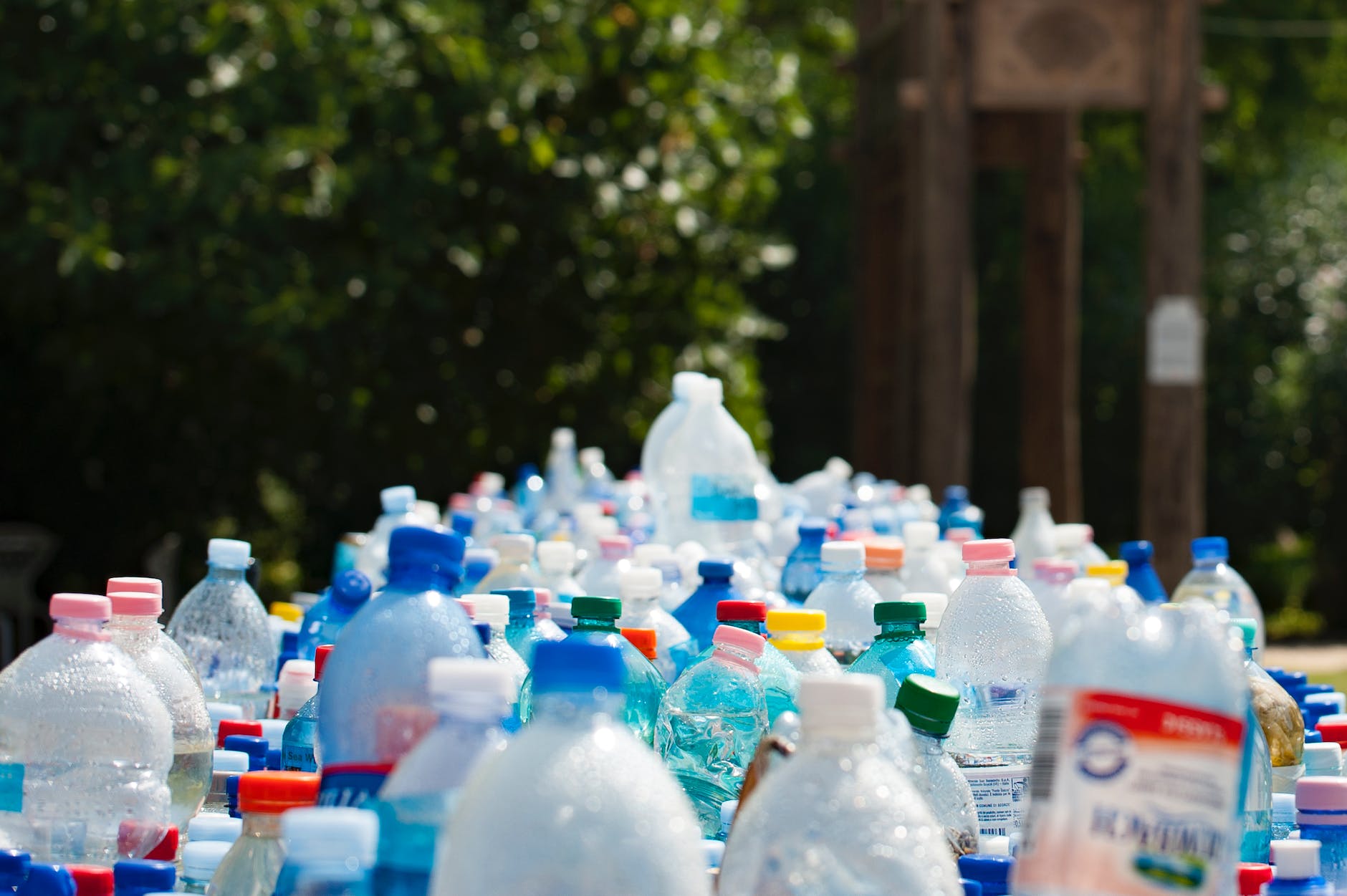
Discover The Best Water Filter For Removing Microplastics!
Can Water Filters Effectively Remove Microplastics? In recent years, there has been growing concern about...
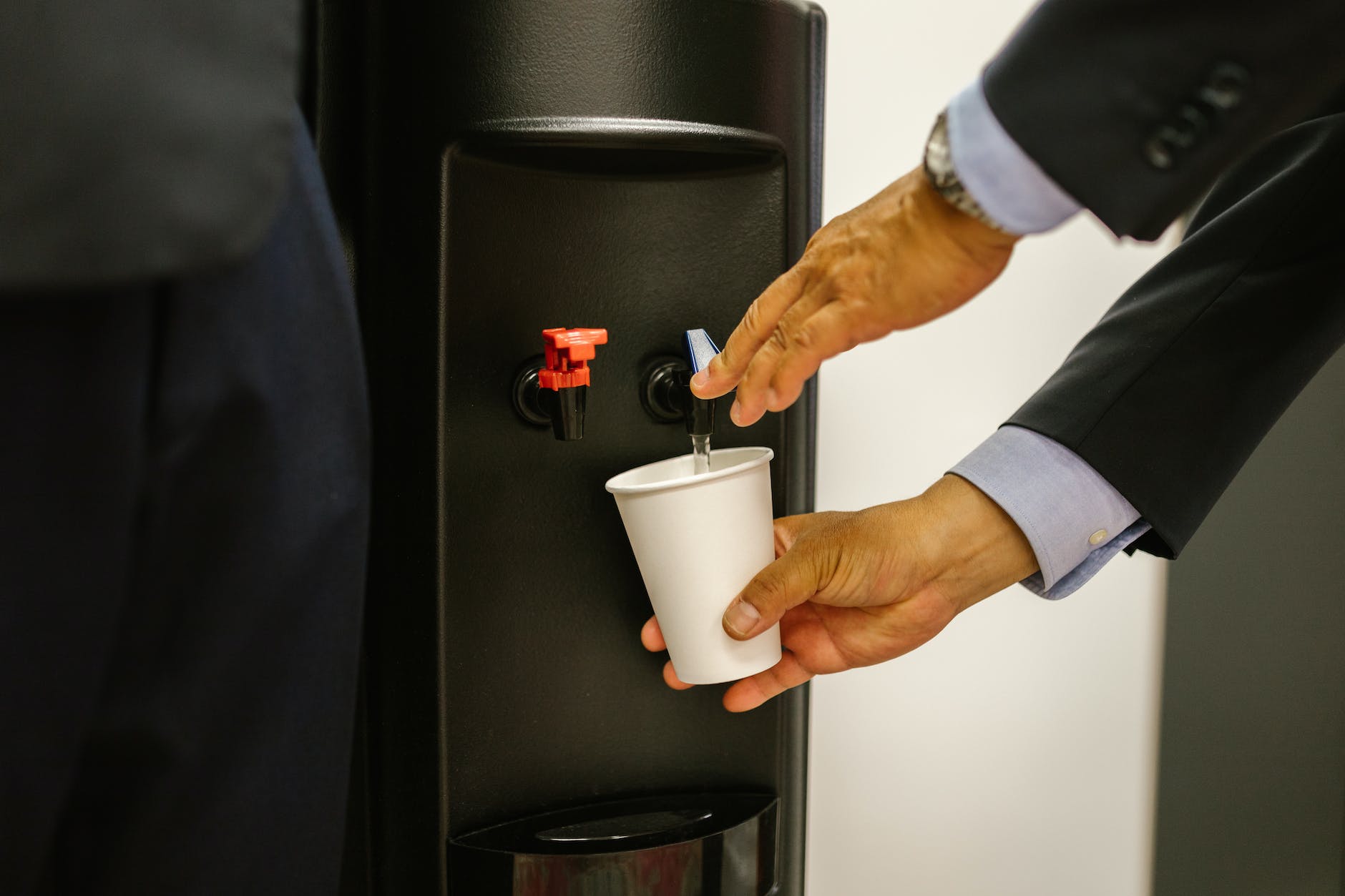
The Evolution of Water Filter Dispensers!
Water Filter Dispensers Unlocking the Clean Water Experience Water is the essence of life, and...

Alkaline Water Filter: Understanding the Benefits.
Alkaline Water Over Tap Water When it comes to maintaining good health, the quality of...
7 Reasons Why Water Filtration is Vital
7 Reasons Why Filter? Water filtration is a crucial aspect of our daily lives that...

7 Reasons Your Home Needs a Whole House Water Filter
Why Consider Installing a Whole House Water Filter? Clean and safe water is an essential...


