

 Operating Hours 10 am to 5 pm (Monday to Friday)


PFAS Trends Australian Homes Should Watch
 29 October 2026
Online Water Filters
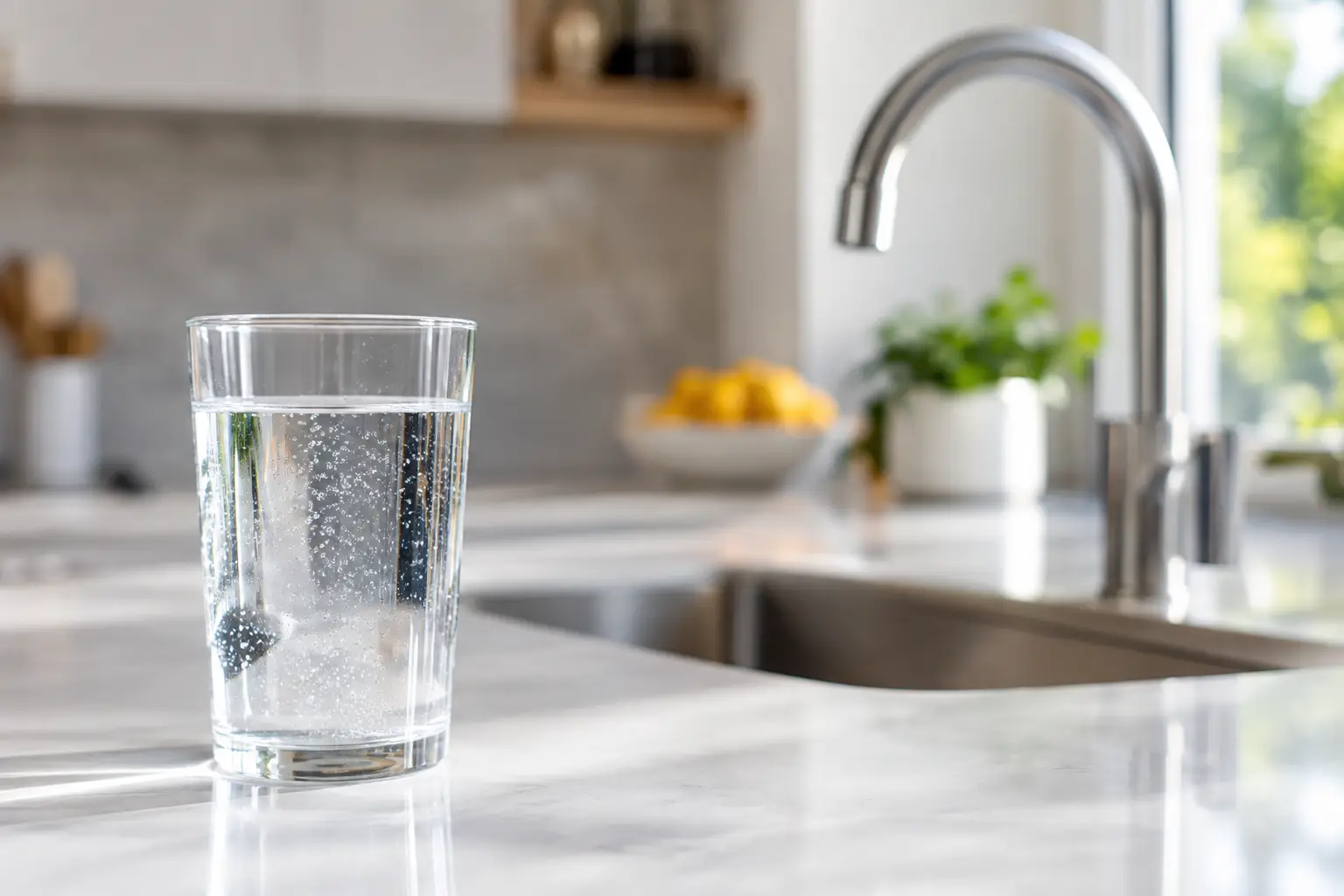
A glass of tap water can look, smell and taste perfectly normal while raising questions that are harder to answer at the kitchen sink. PFAS trends are putting more focus on chemicals that persist in the environment, how they may enter water sources, and what meaningful treatment looks like for Australian households. For families, the practical question is not whether to panic. It is whether their current water solution matches the water quality concerns they want to manage.
Why PFAS trends are gaining attention
PFAS stands for per- and polyfluoroalkyl substances, a large group of manufactured chemicals used for their resistance to water, oil, stains and heat. They have been used in a wide range of industrial processes and consumer products, including certain firefighting foams, surface treatments and packaging applications. Their persistence has earned them the nickname “forever chemicals”, although that phrase can oversimplify a complex group of substances with different properties and potential risks.
The direction of travel is clear: regulators, water authorities, researchers and manufacturers are paying closer attention to PFAS. Testing methods are improving, health guidance is evolving, and more people are asking what is in their water rather than judging it by taste alone. This does not mean every Australian water supply has the same PFAS concern. Water quality is local, and the relevant source, treatment process and monitoring information can vary between towns, suburbs and water providers.
For householders, the trend matters because it changes the standard for a good filtration conversation. A basic filter may improve chlorine taste and odour, which is valuable, but that does not automatically mean it is designed or verified to reduce PFAS. Matching technology to the contaminant is the part that protects both your household and your budget.
From broad concern to targeted water treatment
The most useful shift in the PFAS discussion is away from vague promises and towards evidence. “PFAS removal” is not one simple claim. There are thousands of PFAS compounds, their chain lengths and chemistry differ, and a system’s effectiveness depends on the specific contaminants tested, operating conditions, filter media, water flow and cartridge life.
Activated carbon is commonly used in water filtration and can be highly effective for reducing many organic compounds. The quality and quantity of carbon, contact time and filter design all matter. A small cartridge that water races through will not necessarily perform like a purpose-designed system with adequate media volume and controlled flow.
Reverse osmosis is another technology receiving attention in PFAS treatment discussions. An RO system uses a semi-permeable membrane to separate many dissolved substances from water, usually alongside sediment and carbon pre-filtration stages. It can be an excellent choice for households seeking broad reduction of contaminants such as fluoride, certain heavy metals and dissolved solids as well as many PFAS compounds. However, it requires installation space, ongoing membrane and cartridge maintenance, and produces a concentrate stream. It is not automatically the right fit for every kitchen.
The sensible approach is to look for products with clear, relevant performance information rather than relying on a generic label such as “water filter”. Where a supplier makes contaminant-reduction claims, ask what has been tested, to which standard or method, and when the cartridge needs replacing to maintain performance.
What Australian households should check first
PFAS trends can make it tempting to replace an entire water system immediately. Start closer to home. Your local water provider’s published water-quality information is a useful first reference point, particularly if there has been a known local issue or a change to supply sources. If you use tank water, bore water or another private supply, professional water testing can provide a more individual picture.
It also helps to define the outcome you want. Some households primarily want better-tasting drinking water and reduced chlorine or chloramines. Others are looking for a more comprehensive treatment option due to fluoride, heavy metals, dissolved solids or chemical concerns. A workplace may need a high-capacity system that delivers consistently good-tasting water without interrupting staff access to drinking water.
Your installation setting matters just as much as the chemistry. An undersink system is often a strong option where there is cupboard space and a dedicated filtered-water tap or three-way mixer tap is preferred. Countertop systems can suit renters or anyone wanting a lower-commitment setup. Whole-house filtration can improve water quality at multiple outlets, but it is not always necessary when the main concern is drinking and cooking water at one tap.
The cartridge is where performance is won or lost
A filtration system is only as dependable as its maintenance. This point is especially relevant when PFAS concerns are involved because media has a finite capacity. Once a carbon cartridge reaches the end of its service life, it cannot continue to adsorb contaminants at the same level simply because water is still flowing through it.
Replacement intervals should be based on the manufacturer’s stated capacity, household water use and incoming water quality. Heavy usage, high sediment levels or water with elevated chlorine or chloramines can shorten the practical life of some cartridges. Delaying replacement to save money can undermine the reason you installed the system in the first place.
Genuine or correctly specified replacement cartridges matter too. This is particularly important for owners of existing Zip, Billi and Insinkerator systems, where compatibility, flow rate and fitment affect day-to-day operation. A lower-priced cartridge that does not seal correctly or lacks equivalent performance information is not necessarily better value.
Look beyond a single contaminant claim
PFAS is an important consideration, but it is rarely the only reason Australians choose filtered water. Mains water may have chlorine or chloramines added for disinfection, and these can affect taste and odour. Depending on the location and water source, households may also be considering fluoride, lead from older plumbing, other heavy metals, bacteria, sediment or high total dissolved solids.
That is why an all-purpose answer can be misleading. Carbon filtration may be ideal for one household focused on taste, chlorine and selected chemical reduction. Reverse osmosis may suit another household seeking a more comprehensive point-of-use solution. Ultraviolet treatment can have a role where microbiological control is a concern, but it does not remove dissolved PFAS or heavy metals. Every technology has strengths, limitations and maintenance requirements.
A properly selected system should make daily life easier, not turn your kitchen into a laboratory. The best outcome is clean, enjoyable drinking water from a solution you understand, can maintain and can afford to keep running properly.
What is changing in the filtration market
One of the more positive PFAS trends is greater scrutiny of product claims. Buyers are becoming more technical, asking about micron ratings, carbon type, membrane performance, certifications, test data and replacement schedules. That is good news, provided the information remains understandable.
There is also growing demand for systems that solve several water-quality priorities at once. Households do not want a separate appliance for every concern. Compact undersink reverse osmosis units, high-capacity carbon systems and filtered-water taps can offer a practical balance of performance and convenience, depending on the home and incoming water.
At the same time, bottled water is losing appeal for many families. The ongoing cost, storage, plastic waste and inconvenience add up. A maintained home filtration system can provide a more consistent option for drinking, cooking, filling school drink bottles and making tea or coffee. It also gives you greater control over the treatment method rather than leaving water quality decisions to a product label on the supermarket shelf.
Choosing with confidence rather than fear
PFAS information can sound alarming because the subject is complex and research continues to develop. A measured response is more useful than a rushed purchase. Check local information, identify your priorities, and choose a system with credible performance details for the contaminants you are concerned about.
Consider the whole ownership experience: the upfront system cost, installation requirements, water pressure, cartridge availability, replacement frequency and support after purchase. A premium system with readily available replacement filters and clear service guidance often delivers better long-term value than an inexpensive unit with uncertain consumables.
Online Water Filters can help Australian households compare practical options across reverse osmosis, undersink, countertop and whole-house filtration, with advice grounded in the contaminants and installation needs that apply to your home. The right water filter is not the one with the biggest claim. It is the one that gives your family dependable, well-maintained water quality every day.
Recent Blogs

Are Water Distillers Right for Your Home?
A glass of water can look perfectly clear, taste acceptable and still contain dissolved minerals,...

Can Carbon Filters Remove Chlorine From Water?
A glass of mains water can look perfectly clear yet carry the familiar swimming-pool taste...

Compact Undersink Systems for Cleaner Water
A filtered-water tap can make the biggest difference at the kitchen sink, but not every...

Zip Alternatives for Cleaner Drinking Water
A Zip unit can be a practical centrepiece of a busy kitchen or workplace, particularly...

How to Test Tap Water in Australian Homes
A glass of water can look perfectly clear and still carry the taste of chlorine,...

Three Way Versus Standard Taps: Which Fits?
A kitchen tap can change more than the look of your sink. When comparing three...

Hard Water Solutions for Australian Homes
That white crust around the kettle element, cloudy glassware and stubborn marks on shower screens...

Bottled Versus Filtered Water: Which Costs Less?
A 600 mL bottle from the servo can feel like a small expense. Buy one...

Best Water Filters for Apartments in Australia
Apartment water can look perfectly clear and still carry the chlorine taste that puts people...

Best Filters for Chlorine Taste in Australian Homes
That sharp swimming-pool flavour in a glass of tap water is usually a sign that...

Choosing a Whole House Water Filter System
The water from your kitchen tap is only part of the household water story. Showers,...

How to Check Cartridge Compatibility at Home
A replacement filter cartridge can look right in a photo and still be wrong for...

How to Install Water Filter Systems at Home
A water filter only performs as well as its installation. A cartridge suited to chlorine,...

Can Water Filters Remove PFAS From Drinking Water?
PFAS are not a taste or odour issue you can judge from a glass of...

When Should Filters Be Replaced at Home?
A filter cartridge can look perfectly normal while its filtration media is already exhausted. That...

Home Water Treatment Guide for Australian Homes
A glass of tap water can look perfectly clear while still carrying the taste of...

Are Water Filters Worth It for Australian Homes?
A glass of tap water can look perfectly clear yet still carry the chlorine taste,...

Best Filters for Hard Water in Australian Homes
White scale around a kitchen tap, cloudy glassware fresh from the dishwasher and a kettle...

How to Change Zip Cartridge Safely at Home
A filter-change alert on a Zip system is more than a maintenance prompt. It is...

Reverse Osmosis Versus Distillation Compared
A glass of water can look perfectly clear while still carrying the chlorine taste, dissolved...

Zip versus Billi Cartridges: What Fits?
A boiling and chilled water unit can look after the whole office or family kitchen...

How to Choose Home Filtration That Fits Your Water
A filter that makes water taste better is useful. A filtration system that is matched...

Drinking Water Filtration Guide for Australian Homes
A glass of tap water can look perfectly clear while still carrying the taste of...

Filtered Water Tap Installation Made Simple
A filtered-water tap can make the water you drink, cook with and fill school bottles...

What a TDS Meter for Drinking Water Can Tell You
A TDS meter for drinking water can be a useful little diagnostic tool, particularly when...

Reverse Osmosis Filter Replacement Schedule Explained
A reverse osmosis filter replacement schedule is not just a maintenance reminder. It is what...

Best Countertop Water Filter for Renters
A rental property kitchen can make even a simple upgrade feel risky. You want better-tasting...

Choosing a Water Filter for Bacteria Removal
A strange smell, a recent flood, a private bore, or a rainwater tank that has...

Water Filter for Lead Removal That Works
A clear glass of mains water can still carry trace lead if it has picked...

How to Remove Chloramine From Water at Home
Chloramine can leave otherwise clear mains water tasting medicinal, smelling unpleasant and feeling less appealing...

Water Quality Testing for Australian Homes
A glass of tap water can look perfectly clear while carrying the taste of chlorine,...

Best Water Filter for Fluoride in Australia
Fluoride is added to the drinking water supplied in many Australian communities, so choosing the...

Is a Shower Water Filter Worth It in Australia?
That strong pool-like smell after a hot shower is not always just steam. In many...

Is an Instant Chilled Water Dispenser Worth It?
A glass of genuinely cold, great-tasting water should not depend on whether there is room...

When to Change Water Filter Replacement Cartridges
A filter can look perfectly fine on the outside while the media inside has reached...

How to Choose the Right Undersink Water Filter
An undersink water filter gives your household cleaner, better-tasting drinking water without taking up valuable...

Choosing a Whole House Water Filter System
Every shower, load of washing and glass from the kitchen tap starts at the same...

Is Reverse Osmosis Right for Your Australian Home?
A glass of tap water can look perfectly clear while carrying dissolved minerals, treatment residues...

How to Choose Water Filters for Your Home
How to Choose Water Filters for Your Home A glass of tap water can look...

Water Filter Comparisons: RO vs. Whole House Systems
Are you looking to make a smart investment in clean, healthy water for your home?...

Can Water-Filters Effectively Remove Microplastics?
Introduction: Water pollution is a pressing global issue, with an alarming increase in the presence...

Toxicity and Dangers of Fluoride: Exploring the Health Risks
Introduction:Fluoride is a contentious topic regarding its effects on human health. Fluoride is often added...

Discover The Best Water Filter For Removing Microplastics!
Can Water Filters Effectively Remove Microplastics? In recent years, there has been growing concern about...

The Evolution of Water Filter Dispensers!
Water Filter Dispensers Unlocking the Clean Water Experience Water is the essence of life, and...

Alkaline Water Filter: Understanding the Benefits.
Alkaline Water Over Tap Water When it comes to maintaining good health, the quality of...

7 Reasons Why Water Filtration is Vital
7 Reasons Why Filter? Water filtration is a crucial aspect of our daily lives that...

7 Reasons Your Home Needs a Whole House Water Filter
Why Consider Installing a Whole House Water Filter? Clean and safe water is an essential...


